
Women in Leadership: What I've been noticing
One of the things I love most about my work is sitting in a room full of women leaders.
I was thinking about this recently while facilitating a group of women from different parts of an organisation. On the surface, they couldn’t have been more different. Different functions, different ages, different backgrounds, different leadership journeys. Yet as the conversations deepened, I found myself hearing familiar themes emerge—themes that have shown up repeatedly over the years in coaching conversations, leadership programmes and development journeys.
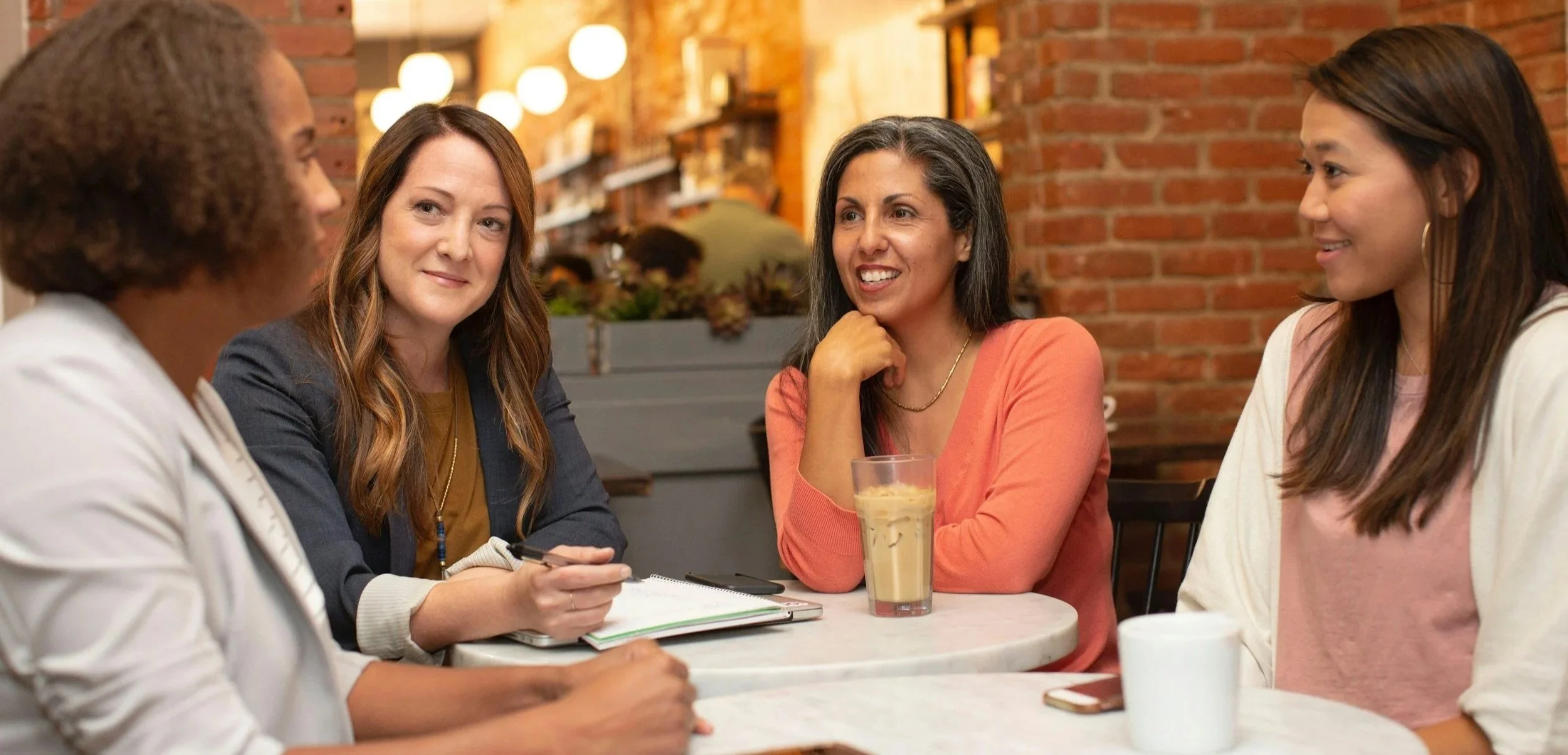
Not identical stories. Not identical challenges. But familiar patterns.
I’ve been fortunate to work with women leaders across many different organisations and industries. Some are leading large teams. Some are running complex portfolios. Some are stepping into leadership for the first time. Others are already operating at a very senior level.
What continues to strike me is how capable these women are. They are smart. Strategic. Hardworking. Resourceful. They care deeply about their people and they care deeply about doing meaningful work.
And yet, beneath the surface, many are carrying questions that few people see.
Questions about confidence. Questions about visibility. Questions about whether they are doing enough. Questions about whether it is possible to build a successful career without sacrificing other parts of themselves in the process.
Are we asking the right questions?
The more time I spend with women leaders, the more I find myself wondering whether we have misunderstood what many of them need.
Because when organisations talk about developing women leaders, the conversation often turns quickly to confidence. How do we help women become more confident? How do we help women speak up more? How do we help women become more visible?
Those are important questions. But I’m not convinced they are always the right questions.
The women I work with are rarely lacking ambition. They are rarely lacking intelligence. They are rarely lacking capability. More often, I see women carrying extraordinary amounts of responsibility while simultaneously questioning themselves.
They are leading teams while raising children. Supporting ageing parents. Managing households. Driving strategic initiatives. Holding together relationships. Being the person everyone else relies on. And somehow still wondering whether they are doing enough.
What women leaders may need most
It makes me wonder whether what many women leaders need is not more pressure, more expectations or another message about how they should be showing up.
Perhaps what they need first is space. Space to think. Space to reflect. Space to reconnect with themselves beneath all the noise.
One of the reasons I love coaching and facilitating so much is that I get to witness what happens when someone has that space. Often the breakthrough doesn’t come because I’ve shared some profound insight. It comes because the person finally has enough room to hear themselves think. The answer was already there. It had simply been drowned out.
The tension between ambition and care
Another theme I notice frequently is the tension between ambition and care. Many women seem to be carrying an unspoken belief that at some point they will need to choose. Career or family. Achievement or wellbeing. Influence or authenticity. Success or balance.
Yet the women I most admire are teaching me that perhaps leadership isn’t about choosing between these things. Perhaps it is about learning how to hold them more consciously, how to pursue meaningful ambitions while also protecting what matters most. How to create impact without losing yourself in the process. How to lead in a way that is sustainable rather than simply impressive.
I suspect this is one of the most important leadership conversations of our time; not just for women, but for all leaders. Because burnout is not a women’s issue. Neither is overwork. Neither is the pressure to constantly prove ourselves. Yet women often find themselves navigating these challenges while also carrying expectations that previous generations of leadership development rarely addressed.
Not about fixing. About creating the right environment
I’ve become increasingly aware that much of leadership development has historically been built around models that don’t always reflect the lived realities of women.
The answer, I believe, is to create environments where women can access their voice, build influence, develop confidence, think strategically and lead authentically.
Over the years I’ve watched women do exactly that. I’ve watched women who doubted themselves begin to trust their judgement. I’ve watched women who hesitated to speak up start influencing confidently at executive level. I’ve watched women stop waiting for permission and begin backing themselves. I’ve watched women move from surviving their careers to intentionally shaping them.
Why I created Leap Forward
In fact, they are part of the reason I created Leap Forward: Women in Leadership.
The programme wasn’t born from theory. It was born from years of listening. Listening to women talk about confidence and visibility. Listening to women wrestle with influence and executive presence. Listening to women navigate leadership, family, wellbeing and ambition. Listening to women who wanted to grow but didn’t want to lose themselves along the way.
I wanted to create a leadership journey that met women where they actually are, rather than where we assume they should be. A journey that helps women understand themselves more deeply, strengthen their influence, engage others effectively and accelerate their leadership in a way that is both impactful and sustainable.
Most importantly, I wanted to create the kind of space that I know can be transformational. A space where women can think, challenge themselves, learn from one another and discover that they are not alone in the questions they are carrying.
One of my favourite pieces of feedback from participants is when they describe the experience as life-changing - not because somebody gave them the answers, but because they left with a different relationship to themselves.
And perhaps that’s what leadership development is really about. Not creating a different person. Helping people become more fully themselves.
I’d love to hear from you.
What have you noticed about the experience of women in leadership today? And what do you think organisations can do to better support them?